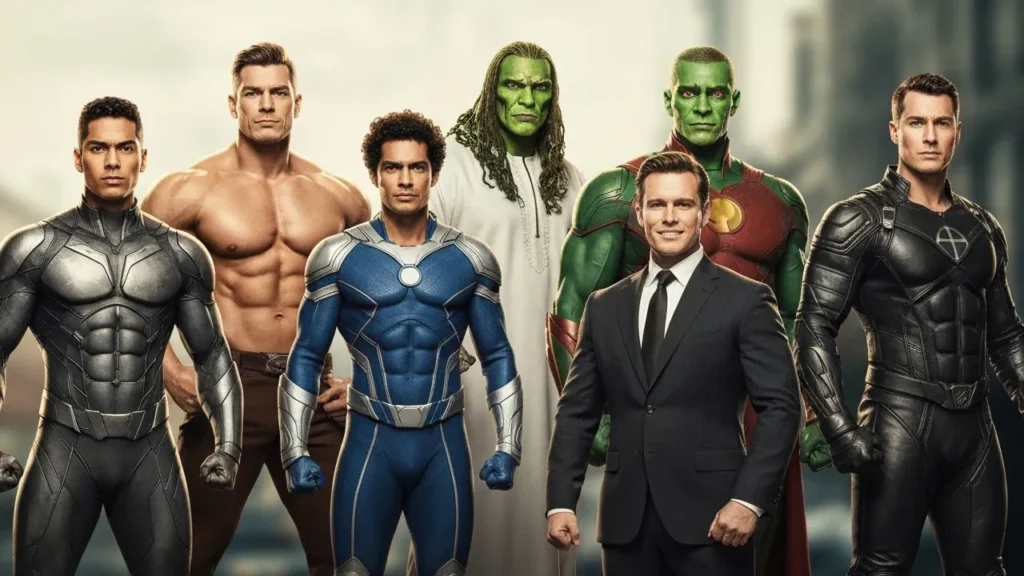
How to frame a superhero-style prompt (quick guide)
Start with the outcome you want — a headline, a storyboard, a character arc — then add tone and a constraint. Constraints are the secret sauce: they force cleverness. For example, ask Gemini to write a one-sentence logline, then limit it to 12 words and a “hopeful” tone. Constraints make ideas sharper. Next, drop in an emotional hook: nostalgia, urgency, wonder. Finally, include one vivid detail, like “rain-soaked neon street” or “handwritten note left at dawn.” This structure keeps the prompt short but packed with direction. The result is output that feels intentional and cinematic, not scattered.
Five ultra-powerful prompts to get you started
Below are five concise prompts you can drop in and tweak instantly. Each one is designed to produce bold, usable results — headlines, scenes, visuals, or short copy that reads like it came from someone with a clear vision. Use them as templates and swap in your specific nouns or moods.

- “Write a 12-word headline that feels triumphant and teases a creative breakthrough.”
- “Describe a cinematic opening scene in one paragraph, mood: hopeful, detail: rain.”
- “Create a short, punchy call-to-action for a product launch in 10 words.”
- “Sketch a character in 3 lines: flaw, dream, surprising skill.”
- “Turn this idea into a 30-second social script with a twist ending.”
Real examples: prompts that produced surprising results
Using the templates above, people often see dramatic shifts. One writer turned a bland brief into a sharable micro-story by asking for “one line of regret and one line of hope.” A designer asked for “a single moodboard caption” and discovered a color direction that stuck. These micro-prompts are powerful because they force the system to be specific. When you compare generic requests with a focused one, the difference is obvious: the focused prompt yields a clearer voice, a usable concept, and less rework. Try keeping a notebook of the tiny prompts that work for you — they become your secret toolkit.

Practical tips to level up your prompt game
Keep a few habits: iterate fast, label what you like, and reuse the core that works. When a result lands, ask for variations rather than starting over. Use short constraints: word limits, tone words, and a single concrete image. Read the output aloud; if it moves you, you’re onto something. Also, mix formats: ask for a headline, then a supporting blurb, then a micro-story — that trio often forms a full content block ready to publish. Practice makes the prompts feel natural, and soon you’ll have a handful that reliably produce hero-level results.
These photo prompts are for creative and entertainment use only.


Hey, I’m Saim — a passionate gamer and tech enthusiast who loves exploring the latest games, mobile phones, and gadgets. I started Bubucaca to share honest opinions, news, and insights that help gamers and mobile lovers stay updated.